Hanging a Radiator: A Complete Guide

Hanging a Radiator: A Complete Guide

Whether you’re replacing an old radiator or fitting a brand-new one, getting it securely mounted on the wall is one of the most important parts of the job. Hanging a radiator correctly ensures it works efficiently, looks good, and stays safely in place. This guide will take you through the process step-by-step, from understanding why proper fitting matters to avoiding common pitfalls, so you can achieve a professional result.

Why hang a radiator properly?

Hanging a radiator might seem straightforward, but the way you mount it has a direct impact on heat performance, safety, and aesthetics. Here’s why it matters.

Optimal heating performance

Radiators need adequate airflow around them to distribute heat evenly. Mounting the unit at the correct height and distance from walls or skirting boards allows warm air to circulate efficiently, ensuring the room heats up faster and more evenly.

Safety and stability

Radiators filled with water can be surprisingly heavy. Properly securing the brackets and ensuring they’re fixed to a solid surface prevents wobbling, leaning, or, in the worst case, the radiator coming loose. This is especially important in homes with children or pets.

Longevity of your radiator and wall

Incorrect hanging can put strain on both the radiator and the wall fixings, leading to warping, cracked plaster, or leaks over time. A well-mounted radiator will remain secure and in good condition for years.

A neat, professional finish

The right position and alignment can transform the look of a room. Straight, level radiators with evenly spaced brackets give a more polished appearance and complement your décor.

How to hang a radiator yourself

Tools you'll need

  • Spirit level
  • Tape measure
  • Drill and appropriate wall drill bits
  • Wall plugs (suitable for your wall type)
  • Screws
  • Pencil for marking
  • Radiator brackets (usually supplied with your radiator)
  • Protective dust sheet
  • Adjustable spanner
  • PTFE tape (if connecting valves)

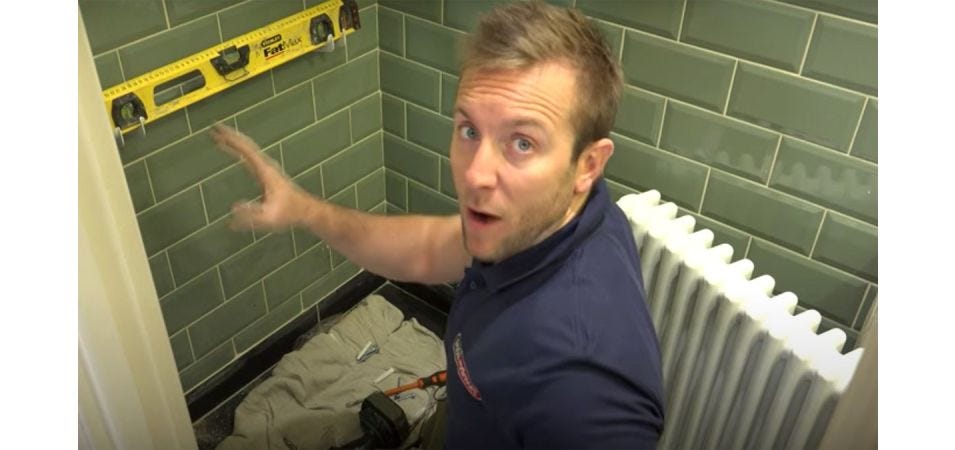
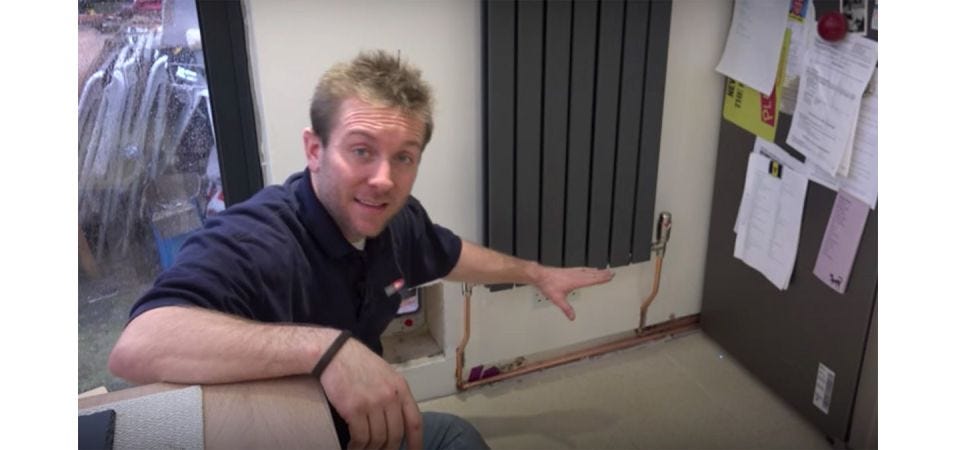
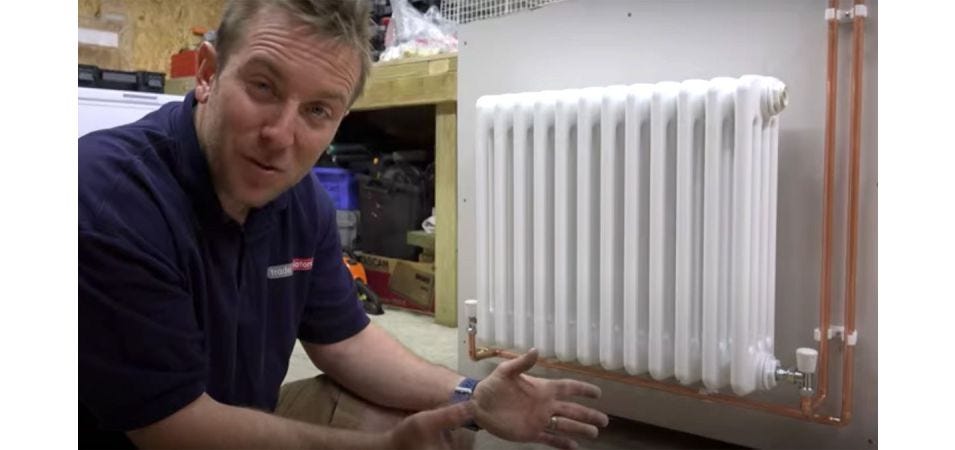
The video below shows James the professional plumber going through the full process of hanging a radiator. Though he's actually installing it in a pub, the steps he takes are exactly the same as you would need to do in your own home. This video is useful for demonstrating the steps involved in hanging a radiator yourself or helping you make the decision for getting in a professional to take care of it for you.


Step 1 - Preparation and positioning

Before you start drilling or lifting a single tool, it’s worth taking time in preparing your workspace and deciding exactly where the new radiator will go. Getting this stage right will make the rest of the process much smoother.

  • Measure your space carefully
    Take precise measurements of the area where the radiator will be installed, including the height, width, and depth available. Remember to account for skirting boards, window sills, and furniture. A radiator that’s too large may not fit neatly, while a rad that’s too small won’t heat the room effectively.
  • Check pipework and valve positions
    Identify where the existing pipework is located, or where new pipes will need to be run. The position of the valves will dictate the radiator’s placement, so ensure they align with your chosen model. If the pipework needs to be adjusted, consider whether this is within your DIY skill set or if a plumber should handle it.
  • Consider heat output and efficiency
    Use our BTU Heating Calculator to work out the correct heat output for the size and type of room. Placing the radiator under a window can help combat cold draughts, but avoid locations where large furniture will block heat flow.
  • Prepare the working area
    Clear the surrounding space so you have easy access to the wall and pipework. Lay down dust sheets or old towels to protect flooring, and have all your tools and fittings organised and within reach. This will prevent unnecessary delays once installation begins.

Step 2 - Marking bracket positions

Positioning your brackets accurately is really important in ensuring your radiator hangs level and securely. Even a small miscalculation here can cause alignment issues later on.

  • Use the manufacturer’s template or measure manually
    Many radiators come with a paper or cardboard template showing bracket locations. If not, measure the exact distance between bracket fixing points on the back of the radiator. Transfer these measurements to the wall using a tape measure.
  • Account for pipe alignment
    Double-check that your bracket marks will position the radiator so the valve inlets align perfectly with the pipework. A slight mismatch can make connecting valves awkward or require extra adjustment.
  • Mark your drill points clearly
    Use a sharp pencil or fine marker to pinpoint where each screw hole will go. This will prevent any confusion when you start drilling.
  • Use a spirit level
    Ensure your bracket marks are perfectly level horizontally and vertically. An uneven radiator is not only unattractive but can also cause operational issues with water flow.

Step 3 - Fixing the brackets and hanging the radiator

With your marks in place, you can secure the brackets to the wall and position the radiator. Proper fixing is essential to support the weight of a filled radiator.

  • Select the right fixings
    The weight of a radiator varies by size and material, so use wall plugs and screws appropriate for your wall type (solid, stud, or plasterboard). For heavier cast iron radiators, additional support or floor-mounted feet may be needed.
  • Drill pilot holes
    Use a drill bit that matches the size of your wall plugs and drill straight into your marked points. For tiled surfaces, use a tile drill bit and proceed slowly to avoid cracking.
  • Attach the brackets securely
    Insert the wall plugs, then fix the brackets in place using the screws provided. Tighten firmly but avoid over-tightening, which could damage the plugs or wall.
  • Hang the radiator carefully
    Lift the radiator onto the brackets, ensuring it clicks or rests securely in position. Check that it’s level before moving on.

Step 4 - Connecting valves

The valves are your link between the radiator and the central heating system, so getting a watertight connection is crucial.

  • Identify valve types
    Determine whether you’re fitting angled, straight, or corner valves, depending on your pipe layout. Make sure they are compatible with your radiator’s inlet size.
  • Apply PTFE tape to threads
    Wrap PTFE tape clockwise around the male threads of the valve tails to help create a tight, leak-free seal.
  • Tighten connections gradually
    Use an adjustable spanner to tighten nuts evenly. Avoid over-tightening, as this can damage threads or crack fittings.
  • Check for correct orientation
    Ensure the manual or thermostatic valve heads are positioned conveniently for operation, and that pipes align neatly with no strain on the joints.

Step 5 - Filling, bleeding and testing

Once the radiator is in place and connected, you can fill it with water, remove trapped air, and check for leaks.

  • Open the valves slowly
    Turn on both the flow and return valves to allow water to enter the radiator gradually. Filling too quickly can cause pressure surges or splashing.
  • Bleed the radiator
    Use a radiator key to open the bleed valve at the top until water flows steadily. This releases trapped air, helping the radiator heat evenly.
  • Check for leaks
    Inspect all joints, connections, and around the valve tails. If you spot drips, close the valves, drain slightly, and retighten the fitting.
  • Test the heating system
    Turn the central heating on and allow the radiator to reach full temperature. Check for even heat distribution and re-bleed if any cold spots remain.

Common mistakes to avoid

Not draining the system fully

Failing to properly drain your central heating system before starting work can lead to messy leaks and water damage. Even a small amount of water left in the pipes can spill when you disconnect the old radiator or cut into the system. Always isolate the radiator valves, drain it completely, and if needed, open the bleed valve to let air in so water flows out more easily.

Incorrect bracket positioning

If your brackets are misaligned or at the wrong height, the radiator may hang unevenly, creating strain on the fittings and affecting heat output. Even being a few millimetres off can cause problems with valve alignment. Use a spirit level for both horizontal and vertical checks, and measure twice before drilling.

Overtightening fittings

It’s tempting to tighten nuts and joints as much as possible to prevent leaks, but overtightening can actually damage threads, crush washers, or crack valve housings. This can lead to slow leaks or even sudden failures once the system is under pressure. Aim for firm but not excessive tightening. Making them hand-tight, plus a gentle turn with a spanner, is usually enough.

Forgetting to bleed the system

Air trapped in the radiator will stop hot water circulating properly, leading to cold spots and reduced efficiency. Always bleed the radiator after filling the system, and recheck the pressure at the boiler afterwards. Skipping this step means you may not realise the heating isn’t performing optimally until your home feels colder than it should.

Not checking for leaks immediately

Some leaks only become visible once the system is fully up to temperature. After installation, run the heating and carefully inspect all connections, including valve joints, bleed points, and pipe fittings, while it’s hot and under pressure. Early detection prevents bigger issues later.

Using the wrong type of wall fixing

A radiator full of water is surprisingly heavy, and if you use wall plugs or screws unsuitable for your wall type, the brackets may loosen or pull away over time. Masonry, plasterboard, and stud walls each require different fixings, so always choose the correct type for the wall construction.

Failing to flush the system

If your central heating water is full of sludge or debris, connecting a new radiator without flushing can reduce its lifespan and heating performance. Power flushing or at least adding inhibitor chemicals before fitting a new radiator is a worthwhile step.

Not allowing for expansion

Metal expands as it heats. If the radiator or pipework is installed too rigidly without some movement allowance, expansion can cause creaks, groans, and even minor damage over time. Ensure brackets and valve connections have enough tolerance for thermal movement.

How to hang a radiator on a plasterboard wall

Hanging a radiator on a plasterboard (also know as 'drywall') wall can be trickier than on solid brick or blockwork because plasterboard isn’t as strong. If you try to fix heavy brackets directly into it without the right preparation or fittings, the weight of the radiator can pull the fixings out over time, especially once the radiator is filled with water. This is why it’s essential to use the correct wall anchors, reinforcement, and fixing techniques to make sure the radiator stays securely in place.

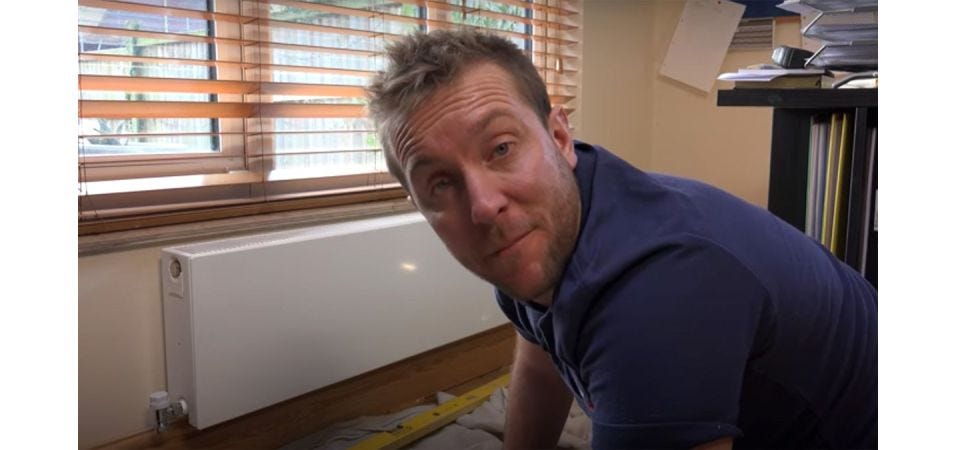
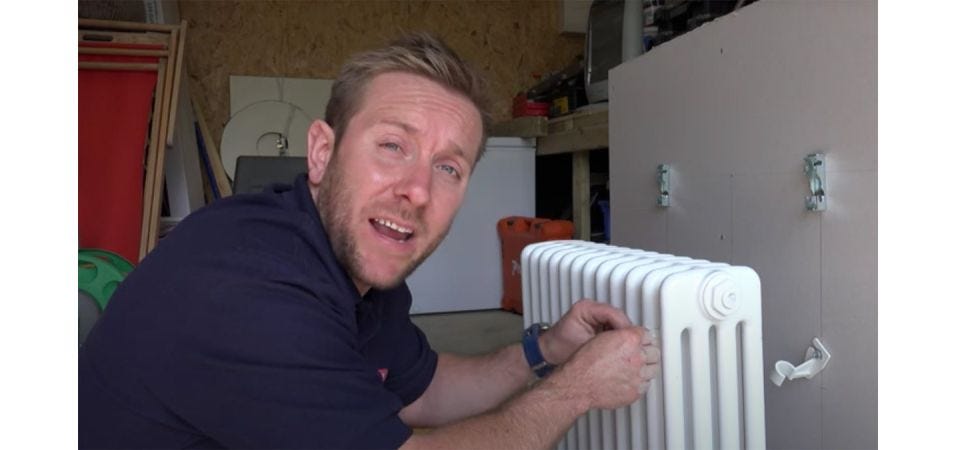
Even smaller radiators can weigh a surprising amount once filled, and larger designs, like tall vertical models or classic columns,  can put significant strain on the wall. In the video below, James the professional plumber walks you through the specific steps and materials needed to mount a radiator safely to plasterboard, so you can avoid the common pitfalls that lead to wobbly brackets or, worse, a damaged wall.


Why plasterboard is different

Plasterboard won’t take heavy loads unless you use the right fixings. The trick is to use robust anchors/toggle plugs or specialist expanding fixings and to make sure the top brackets carry the weight while the bottom clips merely locate the radiator.

Before you start

  • Use a piece of 12mm plasterboard to practise if you can, the video uses a 4×2 stud mock-up.
  • Gather fixings: large expanding plugs or toggle anchors for the top brackets, smaller plugs for the bottom, pilot drill bits, an impact driver, spirit level, pencil and Allen key.
  • Further reading: Fitting a Radiator: A Complete Guide

1. Find and mark the centres

Place the radiator roughly where it will sit. Use a spirit level to draw a straight centre line. Measure the distance between the radiator’s mounting centres (the columns) and divide that measurement by two to find the midpoint marks. Always mark with pencil so you can rub the marks away later.

2. Decide radiator height

Decide how high you want the bottom edge from the floor (common is around 150–200mm). Measure from the floor up to determine the position of the bottom and top brackets, and mark these with a level to ensure everything is horizontal.

3. Drill pilot holes and choose fixings

Always start with a small pilot hole in plasterboard. Then step up to the drill size required for your chosen plug. For heavy rads use robust expanding or toggle anchors, which spread or flip out behind the board to give a secure grip. For the bottom locating clips you can use smaller plugs; the top bracket fixings must be the beefiest.

4. Fit plugs and mount brackets (don’t fully tighten yet)

Insert the plugs, tap home, and screw the bracket screws in, but don’t fully tighten as the bottom fittings need a little movement later to clip onto the radiator. For expanding anchors, assemble as per the manufacturer and tighten until they lock behind the plasterboard.

5. Attach the radiator clamps

Many column radiators use two-part clamp fittings that clip around the columns and screw together. Fit these to the radiator columns and loosely secure with the Allen screw. They’re adjustable up and down, which helps correct small marking errors later.

6. Hang the radiator

Pop the small bottom clips onto the radiator first, then offer the rad up and slide the bottom clips onto the bracket track. Lift, hook the top into place, then let the radiator drop so it sits on the top brackets. Slide the bottom clips down and lock everything in place.

7. Fit grommets and decorative shrouds

Fit rubber grommets around the brackets before final tightening as they stop annoying clicking and vibration. Finish by tightening locking screws and attaching the decorative fascia to hide the fixings.

8. Final checks

Make sure the radiator is level, there’s no side-to-side play, and all screws are secure. If the radiator is large, always use two people to lift and position it. And no, don’t stand on it to prove how strong the fittings are, As James the plumber says, “don’t try this at home, folks.”

Top tips from the demo

  • Use pencil for layout marks so you can tidy up afterwards.
  • If you made a small measuring error, the clamp fittings are adjustable and they’re forgiving.
  • For very heavy radiators, prefer specialist toggle anchors or screw into timber noggins where possible.
  • If you’re unsure about fixings or wall construction, stop and ask a pro.

Getting a professional to hang your radiator

While hanging a radiator on the wall is something many confident DIYers can tackle, especially if the pipework is already in place and you’re simply replacing like-for-like, there are times when calling in a Gas Safe Registered engineer (for central heating radiators) or a qualified electrician (for electric radiators) is the more practical choice.

If you’re not fully confident working with plumbing or heating systems, or if your job involves new pipework, relocating the radiator, or integrating it into an existing central heating circuit, it’s wise to hire a qualified plumber or heating engineer. A professional will ensure the brackets are fixed securely to the wall, the pipework is correctly aligned, and the system is refilled and bled without causing damage or introducing leaks.

More complex jobs, like installing multiple radiators, working in older properties, or dealing with tricky wall materials, require experience and the right tools. A seasoned professional will not only manage the technical installation but may also offer better bracket positioning or mounting solutions you hadn’t considered. If your central heating system hasn’t been serviced in years, they can also check whether your boiler is capable of handling the additional demand from new radiators.

Here’s a rough guide to labour costs for professional radiator hanging and installation, courtesy of Checkatrade:

Remove a small radiator1 hour£80
Remove and repair radiator1-2 hours£125
Remove and replace a double panel radiator1-2 hours£200
Replace a large radiator2 hours£300
Move a radiator2 hours£275
Courtesy of Checkatrade.com

These are average labour costs and don’t include the radiator itself. Prices can vary depending on your location. For example, London rates are typically higher than those in smaller towns or rural areas.

For electric radiators, always use a qualified electrician. These must be wired according to legal safety regulations and should never be attempted as a DIY job.

Some tradespeople will supply and fit a radiator of their choice, which may be fine if your priority is simply a functional heat source. However, if you have a specific style, finish, or brand in mind, it’s often best to source it yourself and then hire a professional purely for the installation.

Whichever route you take, use our Heating Calculator to input your room’s dimensions before buying. That way, you’ll know the exact heat output (BTU rating) your radiator needs to comfortably warm the space, and you can make sure the one you choose is both stylish and effective.

Frequently asked questions (FAQs)

▸ Do I need to turn off my boiler to hang a new radiator?

Yes, absolutely. For safety and to prevent water damage, you must switch off your boiler or central heating system and isolate the power before starting work.

▸ How do I drain the central heating system?

Drain the system via a drain valve, usually located on the lowest radiator in the house or near the boiler. Attach a hose to the valve and lead it to an external drain. Open the bleed valves on all radiators to let air in and water out.

Learn more at How To Isolate A Radiator - A Complete Guide

▸ Can I drain just one radiator without draining the whole system?

Yes, you can isolate a single radiator by closing both valves on the unit, then catching remaining water in a tray or bucket. However, draining the full system can be safer and easier for less experienced DIYers.

Learn more at How To Drain a Central Heating System

▸ What tools will I need to hang a radiator?

You’ll need a drill, spirit level, tape measure, pencil, screwdriver, adjustable spanner, and a radiator key for bleeding. For some walls, specialist drill bits and anchors may also be required.

▸ Do I need to buy new valves for my new radiator?

It’s recommended. While you may reuse old valves, new radiators often work best with modern valves for improved efficiency and leak prevention.

Learn more at The Complete Guide to Radiator Valves

▸ What is PTFE tape and why do I need it?

PTFE (Polytetrafluoroethylene) tape is a thin white tape wrapped around pipe threads to create a watertight seal and help prevent leaks from valve connections.

▸ How far off the floor should I hang a radiator?

Hang radiators at least 150mm (6 inches) from the floor to allow proper air circulation and efficient heating.

▸ How do I know where to drill the holes?

Measure the distance between the mounting brackets on the radiator, then mark the positions on the wall using a tape measure and spirit level to ensure they are perfectly horizontal.

▸ What kind of wall plugs should I use?

For brick or concrete walls, use masonry plugs. For plasterboard or cavity walls, use heavy-duty hollow-wall anchors to safely support the radiator’s weight.

▸ Why is my new radiator not heating up properly?

Trapped air is the most common cause. Bleed the radiator to release air pockets. If that fails, ensure both valves are open and check system pressure.

Learn more at The Complete Guide to Bleeding a Radiator

▸ I’ve hung my new radiator and now there is a leak. What should I do?

Turn off the boiler immediately. Check valve connections for tightness and PTFE tape coverage. If the leak persists, contact a qualified plumber.

▸ How do I bleed a new radiator?

Once hot, use a radiator key to slowly open the bleed valve on the top corner. Catch drips in a tray. Close when water flows steadily without air hissing.

Learn more at The Complete Guide to Bleeding a Radiator

▸ Can I hang the radiator myself, or should I hire a professional?

Confident DIYers can usually manage a like-for-like swap. For moving pipework, complex installations, or if you’re unsure, hire a qualified professional to ensure safety and quality.

Learn more at The Complete Guide to Fitting a Radiator

Massive selection of radiators at TradeRadiators.com

If you’d like to pick a radiator that truly reflects your taste, rather than simply going with whatever your installer suggests, then take a look at the wide and varied collection at Trade Radiators.

As the UK’s largest independent supplier of radiators, heated towel rails, and electric heating products, Trade Radiators is known for its combination of quality, great value, and an unmatched choice of styles. Whether you’re after a statement-making designer radiator, a space-saving vertical option, or finishing touches like valves and accessories, you’ll find something to suit every space and budget.

With competitive prices, free delivery to mainland UK, and many models available for next working day dispatch, upgrading your heating has never been more straightforward. Discover the right radiator for your home, exactly when you need it, exclusively from Trade Radiators.

For extra ideas, we’ve also shared some fantastic customer photos showcasing their new radiators in situ. They’re a great way to see how different styles can transform your own living space.

Related Posts
Fitting a radiator - a complete guide

Fitting a radiator - a complete guide

Thinking of installing a new radiator? This complete guide walks you through everything from choosing the right style to fitting it yourself or hiring a pro. With cost breakdowns, expert tips, and common pitfalls to avoid, you’ll be ready to take on your heating upgrade with confidence.

Boxing in pipes in your bathroom? A complete guide

Boxing in pipes in your bathroom? A complete guide

Boxing in bathroom pipes is an easy way to create a cleaner, more stylish look. This step-by-step guide walks you through measuring, framing, fitting panels, and finishing for a professional result. Whether you're painting or tiling, discover how to hide exposed pipework and transform your bathroom with ease.

The Best Cast Iron Radiators

The Best Cast Iron Radiators

Read our guide to the finest cast iron radiators from Trade Radiators, designed to suit a variety of styles and spaces. Discover why selecting the right cast iron radiator is essential for creating a warm, inviting, and stylish home. This guide offers valuable insights to help you choose a radiator that combines timeless elegance, practicality, and exceptional efficiency, ensuring it enhances both the look and comfort of your space.

The Best Electric Radiators

The Best Electric Radiators

Explore our guide to the best electric radiators from Trade Radiators, designed to suit a variety of needs and spaces. Discover why selecting the right electric radiator can make all the difference in keeping your home warm and stylish, especially when you don't have access to a gas supply. This guide offers valuable advice to help you find an electric radiator that combines sleek design, practical heating, and energy efficiency for any room.

The Best Towel Radiators

The Best Towel Radiators

Read our guide to the best towel radiators from Trade Radiators, designed to suit various needs. Discover why selecting the right towel radiator is essential for keeping your home warm and your towels dry. This guide offers valuable advice to help you choose the ideal towel radiator that combines style, practicality, and efficient heating for any bathroom or en-suite.

The Best Designer Radiators

The Best Designer Radiators

Read our guide to the finest designer radiators from Trade Radiators, tailored to meet diverse needs. Learn why choosing the right designer radiator is key to keeping your home warm and stylish. This guide provides crucial tips to help you find the perfect radiator that blends aesthetics, practicality, and efficiency for any space.

The Best Vertical Radiators

The Best Vertical Radiators

Discover our guide to the best vertical radiators available from Trade Radiators, crafted to suit a variety of needs. Find out why selecting the right vertical radiator is vital for maintaining a warm and inviting home. Our guide offers essential insights to help you choose the ideal radiator, combining style, practicality, and efficiency for any space that requires heat.

The Best Column Radiators

The Best Column Radiators

Explore our guide to the top-quality classic column radiators from Trade Radiators, designed to meet a wide range of needs. Learn why the right column radiator is essential for keeping your home warm and comfortable. Our guide provides key information to help you choose the perfect radiator, blending style, functionality, and efficiency for any room in your home.

How to remove limescale from a heating system

How to remove limescale from a heating system

Managing limescale is crucial for the longevity and efficiency of your heating system, especially in hard water areas. This comprehensive guide explains the impact of limescale on your heating system and offers effective methods to remove and prevent it. Learn about chemical descalers, scale inhibitors, water softeners, power flushing, and regular maintenance to keep your heating system running smoothly.

How do radiator valves work? - a complete guide

How do radiator valves work? - a complete guide

Understand why there are different types of valves, which ones to buy for your radiators, how valves work, when you’ll have to change or buy a new valve, and other important radiator valve topics you’ll need to consider with any purchase.

How to repair a thermostatic radiator valve (TRV)

How to repair a thermostatic radiator valve (TRV)

A common issue with thermostatic radiator valves is that the internal pin can get stuck. If this happens then it's likely that your radiator won't get hot. In this article, you can learn how to easily fix this common issue and understand how you can stop it happening again.

How to isolate a radiator - a complete guide

How to isolate a radiator - a complete guide

Master the art of radiator isolation with our guide—essential for preventing water damage and disruptions. Discover why, when, and how to efficiently manage your central heating. From routine maintenance to replacement, empower your home care decisions.

How do radiators work? - a complete guide

How do radiators work? - a complete guide

Radiators are the unsung heroes of home comfort, silently and efficiently spreading warmth throughout your space. Have you ever wondered how they work their magic? In our comprehensive guide, we delve into the science behind radiators, unraveling the secrets of how they turn cold rooms into cosy sanctuaries.

How to clean a radiator - a complete guide

How to clean a radiator - a complete guide

Our comprehensive radiator cleaning guide is your key to maintaining an efficient heating system. Whether you're a seasoned DIY enthusiast or a beginner, our guide provides all the knowledge you need to keep your radiators clean and running smoothly, saving energy and enhancing your comfort..

How to balance a radiator - a complete guide

How to balance a radiator - a complete guide

Learn why it's important to have a balanced central heating system, what factors might have caused it to become unbalanced and what you can do to ensure your radiators heat your rooms evenly and efficiently.

How to paint a radiator - a complete guide

How to paint a radiator - a complete guide

Discover the complete step-by-step guide on how to paint your radiator with precision, and get the best finish possible. Learn all the best painting techniques and quality tips to revamp your home heating effortlessly.

How to bleed a radiator - a complete guide

How to bleed a radiator - a complete guide

Master the art of radiator maintenance with our comprehensive guide. Learn how to efficiently bleed radiators, ensuring your home stays warm and your heating system runs smoothly. Including essential tools to step-by-step instructions, say goodbye to cold spots and hello to a toasty home!

A Complete Guide to Cast Iron Radiators

A Complete Guide to Cast Iron Radiators

This complete guide to cast iron radiators covers everything from how they’re made and their timeless appeal to sizing, styles, installation tips, and care advice. Whether you're renovating a period property or adding character to a modern home, learn why cast iron radiators from Trade Radiators are a smart investment.

How to turn a radiator off

How to turn a radiator off

Knowing how to turn off a radiator is important in case of a leak, broken valve or various other reasons. Read on to discover how you can turn off your radiator yourself.

Replacing a radiator with a heated towel rail - a complete guide

Upgrading from a radiator to a heated towel rail can enhance your bathroom’s comfort and style. This guide covers the benefits, installation considerations, costs, and how to choose the perfect towel rail. Whether you’re tackling it as a DIY project or hiring a professional, find everything you need for a smooth transition.

How to deal with a noisy radiator

How to deal with a noisy radiator

Radiators quite often make noise. It's an inevitable part of water flowing through pipes. But sometimes that banging or ticking can be serious. Read on to find out when you need to take action.

How to remove a radiator - a complete guide

How to remove a radiator - a complete guide

Master the art of radiator removal with our guide. Learn costs, DIY tips, and professional insights. Whether for redecorating or system flushing, discover the how-tos for a seamless process.

How to hide vertical radiator pipes

How to hide vertical radiator pipes

Exposed vertical radiator pipes can spoil the look of a room, but there are several ways to conceal them. This guide explores practical DIY solutions, from boxing in and painting to using pipe sleeves, and helping you choose the best method to hide pipes running up your walls and create a cleaner, tidier space.

Replacing a radiator - a complete guide

Replacing a radiator - a complete guide

Thinking of replacing a radiator? Our complete guide covers everything from costs and choosing the right model to a step-by-step DIY installation process. Whether you're upgrading for efficiency or style, find out what to expect, how to save money, and when to call a professional for help.

Why choose aluminium radiators over steel - a complete guide

Why choose aluminium radiators over steel - a complete guide

Aluminium radiators offer fast heating, energy efficiency, and eco credentials, while steel radiators provide durability and affordability. This guide explores the key differences between the two materials to help you decide which suits your home best. Learn why aluminium is becoming the go-to choice for modern, efficient heating solutions.

Related posts
Fitting a radiator - a complete guide
25 July 2025

Fitting a radiator - a complete guide

Thinking of installing a new radiator? This complete guide walks you through everything from choosing the right style to fitting it yourself or hiring a pro. With cost breakdowns, expert tips, and common pitfalls to avoid, you’ll be ready to take on your heating upgrade with confidence.

Boxing in pipes in your bathroom? A complete guide
24 April 2025

Boxing in pipes in your bathroom? A complete guide

Boxing in bathroom pipes is an easy way to create a cleaner, more stylish look. This step-by-step guide walks you through measuring, framing, fitting panels, and finishing for a professional result. Whether you're painting or tiling, discover how to hide exposed pipework and transform your bathroom with ease.

The Best Cast Iron Radiators
27 November 2024

The Best Cast Iron Radiators

Read our guide to the finest cast iron radiators from Trade Radiators, designed to suit a variety of styles and spaces. Discover why selecting the right cast iron radiator is essential for creating a warm, inviting, and stylish home. This guide offers valuable insights to help you choose a radiator that combines timeless elegance, practicality, and exceptional efficiency, ensuring it enhances both the look and comfort of your space.

The Best Electric Radiators
14 October 2024

The Best Electric Radiators

Explore our guide to the best electric radiators from Trade Radiators, designed to suit a variety of needs and spaces. Discover why selecting the right electric radiator can make all the difference in keeping your home warm and stylish, especially when you don't have access to a gas supply. This guide offers valuable advice to help you find an electric radiator that combines sleek design, practical heating, and energy efficiency for any room.

The Best Towel Radiators
17 September 2024

The Best Towel Radiators

Read our guide to the best towel radiators from Trade Radiators, designed to suit various needs. Discover why selecting the right towel radiator is essential for keeping your home warm and your towels dry. This guide offers valuable advice to help you choose the ideal towel radiator that combines style, practicality, and efficient heating for any bathroom or en-suite.

The Best Designer Radiators
11 September 2024

The Best Designer Radiators

Read our guide to the finest designer radiators from Trade Radiators, tailored to meet diverse needs. Learn why choosing the right designer radiator is key to keeping your home warm and stylish. This guide provides crucial tips to help you find the perfect radiator that blends aesthetics, practicality, and efficiency for any space.

The Best Vertical Radiators
5 September 2024

The Best Vertical Radiators

Discover our guide to the best vertical radiators available from Trade Radiators, crafted to suit a variety of needs. Find out why selecting the right vertical radiator is vital for maintaining a warm and inviting home. Our guide offers essential insights to help you choose the ideal radiator, combining style, practicality, and efficiency for any space that requires heat.

The Best Column Radiators
22 August 2024

The Best Column Radiators

Explore our guide to the top-quality classic column radiators from Trade Radiators, designed to meet a wide range of needs. Learn why the right column radiator is essential for keeping your home warm and comfortable. Our guide provides key information to help you choose the perfect radiator, blending style, functionality, and efficiency for any room in your home.

How to remove limescale from a heating system
27 May 2024

How to remove limescale from a heating system

Managing limescale is crucial for the longevity and efficiency of your heating system, especially in hard water areas. This comprehensive guide explains the impact of limescale on your heating system and offers effective methods to remove and prevent it. Learn about chemical descalers, scale inhibitors, water softeners, power flushing, and regular maintenance to keep your heating system running smoothly.

How do radiator valves work? - a complete guide
15 March 2024

How do radiator valves work? - a complete guide

Understand why there are different types of valves, which ones to buy for your radiators, how valves work, when you’ll have to change or buy a new valve, and other important radiator valve topics you’ll need to consider with any purchase.

How to repair a thermostatic radiator valve (TRV)
12 January 2024

How to repair a thermostatic radiator valve (TRV)

A common issue with thermostatic radiator valves is that the internal pin can get stuck. If this happens then it's likely that your radiator won't get hot. In this article, you can learn how to easily fix this common issue and understand how you can stop it happening again.

How to isolate a radiator - a complete guide
24 November 2023

How to isolate a radiator - a complete guide

Master the art of radiator isolation with our guide—essential for preventing water damage and disruptions. Discover why, when, and how to efficiently manage your central heating. From routine maintenance to replacement, empower your home care decisions.

How do radiators work? - a complete guide
31 October 2023

How do radiators work? - a complete guide

Radiators are the unsung heroes of home comfort, silently and efficiently spreading warmth throughout your space. Have you ever wondered how they work their magic? In our comprehensive guide, we delve into the science behind radiators, unraveling the secrets of how they turn cold rooms into cosy sanctuaries.

How to clean a radiator - a complete guide
23 October 2023

How to clean a radiator - a complete guide

Our comprehensive radiator cleaning guide is your key to maintaining an efficient heating system. Whether you're a seasoned DIY enthusiast or a beginner, our guide provides all the knowledge you need to keep your radiators clean and running smoothly, saving energy and enhancing your comfort..

How to balance a radiator - a complete guide
16 October 2023

How to balance a radiator - a complete guide

Learn why it's important to have a balanced central heating system, what factors might have caused it to become unbalanced and what you can do to ensure your radiators heat your rooms evenly and efficiently.

How to paint a radiator - a complete guide
29 September 2023

How to paint a radiator - a complete guide

Discover the complete step-by-step guide on how to paint your radiator with precision, and get the best finish possible. Learn all the best painting techniques and quality tips to revamp your home heating effortlessly.

How to bleed a radiator - a complete guide
12 September 2023

How to bleed a radiator - a complete guide

Master the art of radiator maintenance with our comprehensive guide. Learn how to efficiently bleed radiators, ensuring your home stays warm and your heating system runs smoothly. Including essential tools to step-by-step instructions, say goodbye to cold spots and hello to a toasty home!

A Complete Guide to Cast Iron Radiators
31 August 2023

A Complete Guide to Cast Iron Radiators

This complete guide to cast iron radiators covers everything from how they’re made and their timeless appeal to sizing, styles, installation tips, and care advice. Whether you're renovating a period property or adding character to a modern home, learn why cast iron radiators from Trade Radiators are a smart investment.

How to turn a radiator off
28 March 2023

How to turn a radiator off

Knowing how to turn off a radiator is important in case of a leak, broken valve or various other reasons. Read on to discover how you can turn off your radiator yourself.

17 January 2023

Replacing a radiator with a heated towel rail - a complete guide

Upgrading from a radiator to a heated towel rail can enhance your bathroom’s comfort and style. This guide covers the benefits, installation considerations, costs, and how to choose the perfect towel rail. Whether you’re tackling it as a DIY project or hiring a professional, find everything you need for a smooth transition.

How to deal with a noisy radiator
17 January 2023

How to deal with a noisy radiator

Radiators quite often make noise. It's an inevitable part of water flowing through pipes. But sometimes that banging or ticking can be serious. Read on to find out when you need to take action.

How to remove a radiator - a complete guide
17 January 2023

How to remove a radiator - a complete guide

Master the art of radiator removal with our guide. Learn costs, DIY tips, and professional insights. Whether for redecorating or system flushing, discover the how-tos for a seamless process.

How to hide vertical radiator pipes
17 January 2023

How to hide vertical radiator pipes

Exposed vertical radiator pipes can spoil the look of a room, but there are several ways to conceal them. This guide explores practical DIY solutions, from boxing in and painting to using pipe sleeves, and helping you choose the best method to hide pipes running up your walls and create a cleaner, tidier space.

Replacing a radiator - a complete guide
3 August 2021

Replacing a radiator - a complete guide

Thinking of replacing a radiator? Our complete guide covers everything from costs and choosing the right model to a step-by-step DIY installation process. Whether you're upgrading for efficiency or style, find out what to expect, how to save money, and when to call a professional for help.

Why choose aluminium radiators over steel - a complete guide
13 July 2021

Why choose aluminium radiators over steel - a complete guide

Aluminium radiators offer fast heating, energy efficiency, and eco credentials, while steel radiators provide durability and affordability. This guide explores the key differences between the two materials to help you decide which suits your home best. Learn why aluminium is becoming the go-to choice for modern, efficient heating solutions.

Chat with us on WhatsApp